How to reduce no-shows and late cancellations in a clinic or service business
Short answer: No-shows drop when three things are in place: a cancellation policy the client signs at intake, a reminder sequence at 48 and 24 hours with an easy reschedule option, and a waitlist to refill cancelled slots. Practices that implement all three typically see missed appointments fall substantially within one quarter.
The signed policy
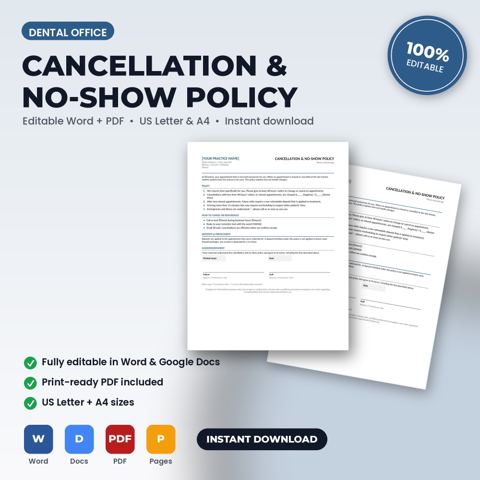
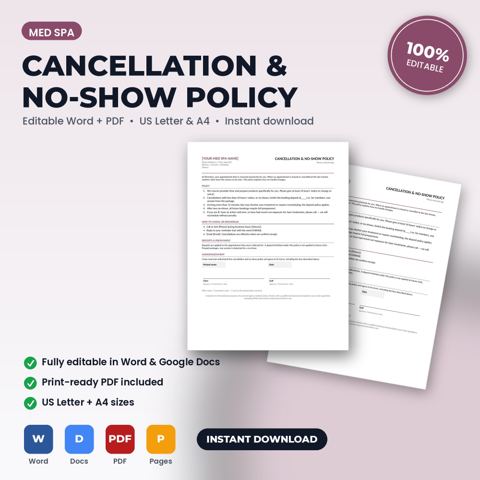
State the notice period (24 or 48 hours), the fee for late cancellations and no-shows, how to cancel, and what happens on repeated no-shows. Have the client sign it as part of the new-client packet and mention it in the confirmation message. Enforce it consistently; a policy that is waived every time is not a policy.
The reminder sequence
Send a confirmation at booking, a reminder 48 hours before and another 24 hours before. Each message should include the date, time, location, what to bring and a one-tap way to reschedule. Reminders that make rescheduling easy convert would-be no-shows into reschedules.
The waitlist and the follow-up
Keep a short waitlist and text it when a slot opens; refilled slots make cancellations nearly free. After a no-show, send a friendly follow-up that offers to rebook and reminds the client of the policy. Track no-shows by day and time; patterns usually point to a scheduling fix.
Frequently asked questions
How much should a no-show fee be?
Enough to matter but not enough to end the relationship: commonly $25–75 for clinics and a trip charge or deposit forfeiture for trades.
Can I charge the fee to insurance?
No. No-show fees are charged to the client directly. Check payer contracts for restrictions.