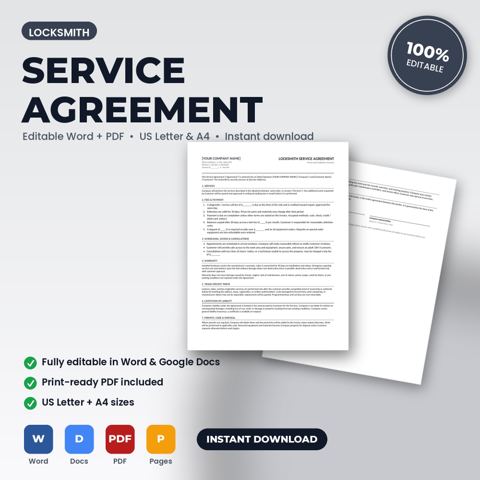
Service agreement clauses explained: what each section does and why it is there
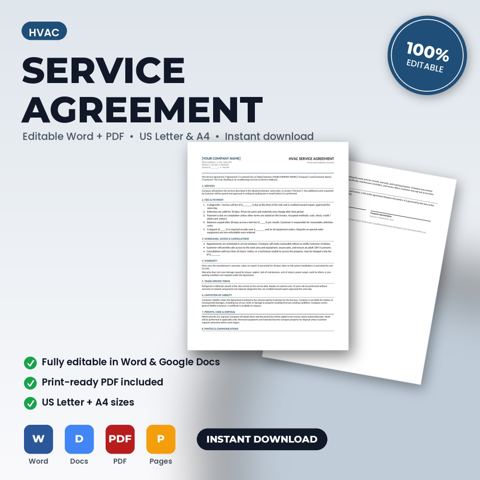
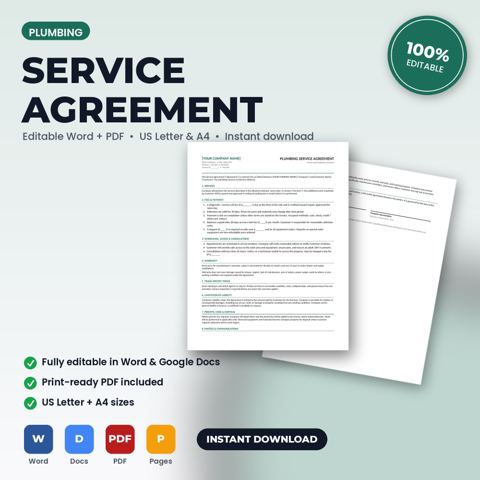
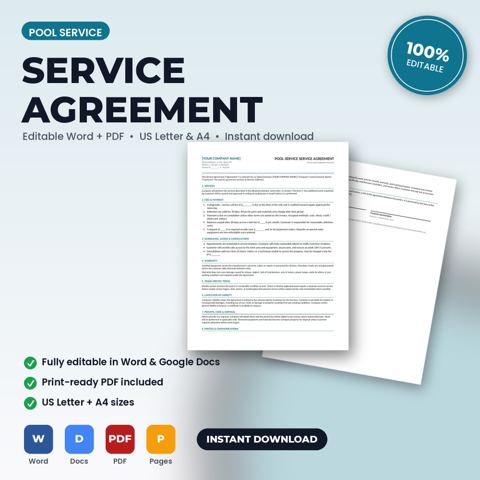
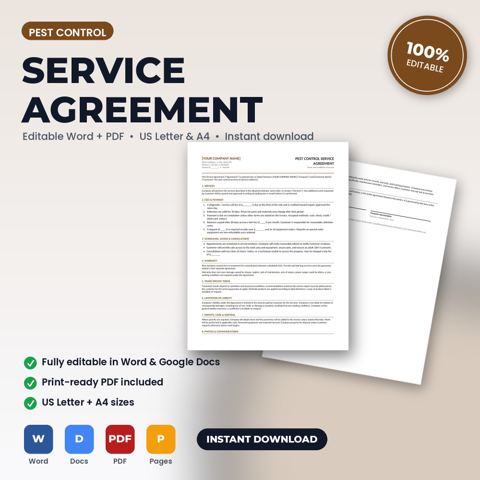
Short answer: A service agreement for a trade business needs eight sections: parties and scope, fees and payment, scheduling and access, cancellation, warranty, industry-specific terms (permits, hidden conditions, customer-supplied materials), limitation of liability and dispute resolution, and signatures. Each one prevents a specific, common dispute.
Scope, fees and payment
The scope section ties the agreement to the estimate so both documents describe the same work. Fees and payment set the deposit, the payment schedule, accepted methods, late fees and what happens on non-payment. Clear payment terms are the single biggest driver of on-time payment.
Scheduling, access, cancellation and warranty
Scheduling and access define the customer's responsibilities (clear the area, secure pets, provide power and water) and what happens if the technician cannot work. Cancellation sets notice periods and restocking fees. Warranty separates your workmanship warranty from the manufacturer's parts warranty and excludes customer-supplied materials and misuse.
Industry terms, liability and signatures
Industry-specific terms cover permits, hidden conditions, code upgrades, chemical or refrigerant handling and photo consent. Limitation of liability caps exposure and directs disputes to negotiation or arbitration before litigation. Signatures from both parties, with dates, make it enforceable. Have an attorney review the liability and warranty language for your state.
Frequently asked questions
Is a signed estimate enough?
For small jobs, a signed estimate with brief terms is usually enough. Use the full agreement for installs, larger projects, commercial work and recurring service.
Can I use the same agreement for residential and commercial?
Use a shorter version for residential and the full version for commercial. The template supports both.