What belongs in a new-patient packet (and what does not)
Short answer: A new-patient packet should contain five documents: intake and health history, general consent with financial policy, HIPAA acknowledgment, cancellation and no-show policy, and treatment-specific informed consent for the first procedure. Everything else (surveys, marketing consent, detailed policies) can wait for a later visit.
The five essentials
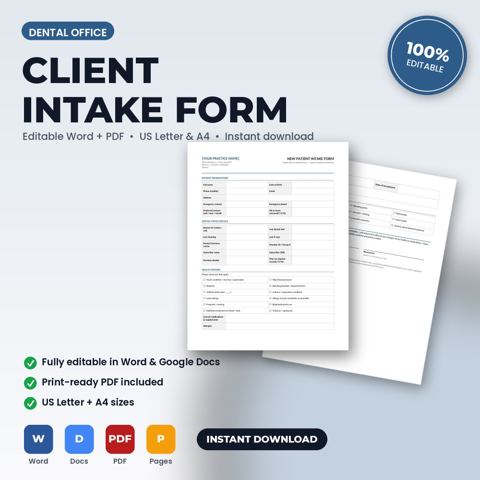
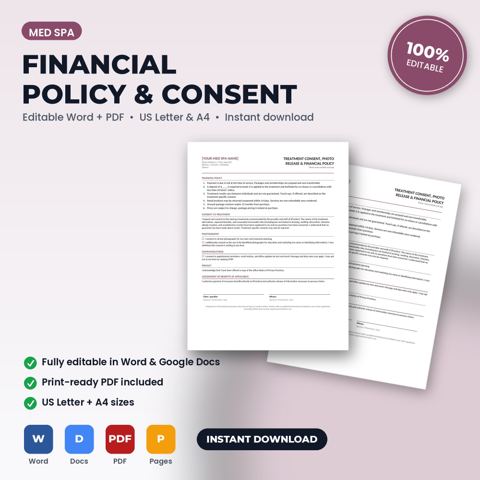
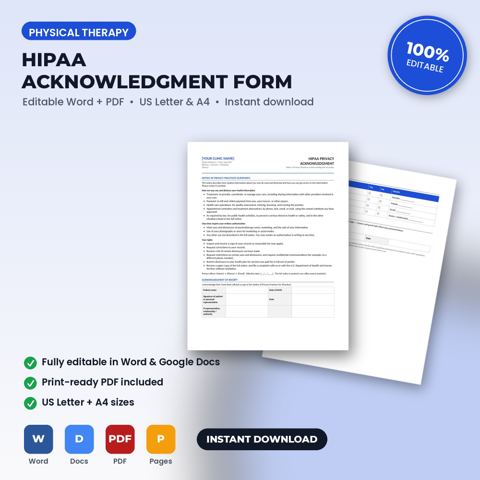
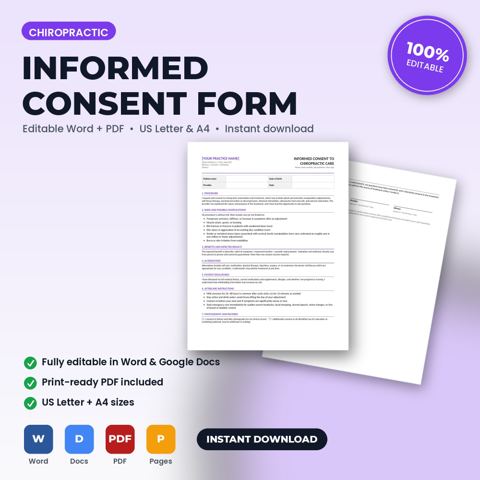
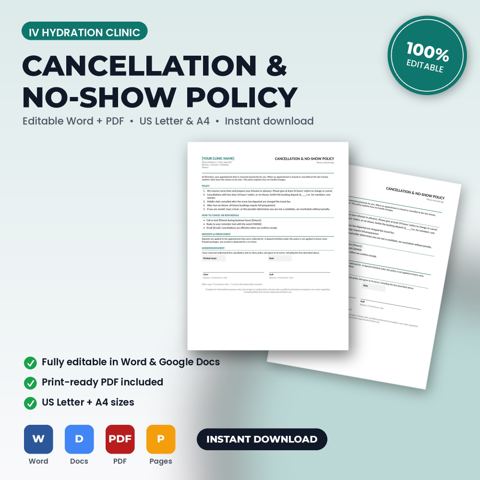
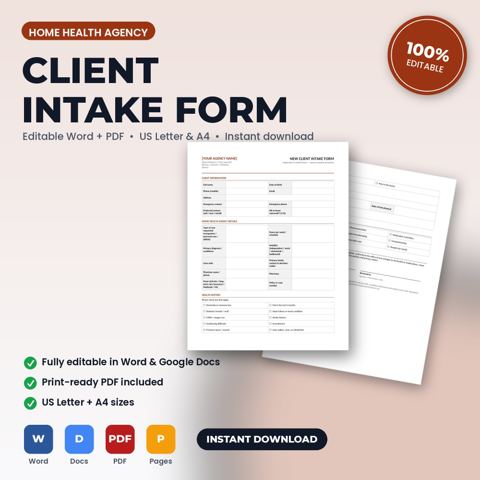
Intake and health history gives the clinician what the evaluation needs and screens for contraindications. General consent plus financial policy establishes agreement to be treated and how payment works. The HIPAA acknowledgment documents receipt of your privacy notice. The cancellation policy protects the schedule. Treatment-specific consent covers the specific risks of the first procedure.
Keeping it short
Long packets are skimmed and signed without reading, which weakens every document in them. Keep each document to one or two pages, use plain language, and review the financial and cancellation policies verbally at check-in. Send the packet ahead of the visit where possible so patients arrive with it completed.
Maintaining it
Review the packet annually and after any dispute. Re-obtain signatures when policies change materially. Store signed packets with the patient record for the retention period your state requires.
Frequently asked questions
Should photo consent be in the packet?
Include a photo/documentation consent line in the treatment consent for practices that photograph (med spas, dental). Marketing use requires a separate, specific consent.
Do I need a separate consent for every procedure?
Yes, for procedures with material risks. A general consent line does not replace treatment-specific informed consent.